FTC Applauds Law Dork's Motion Seeking to Increase Public Access to Case Filings in Minnesota
By Emma Donahue, FTC law clerk
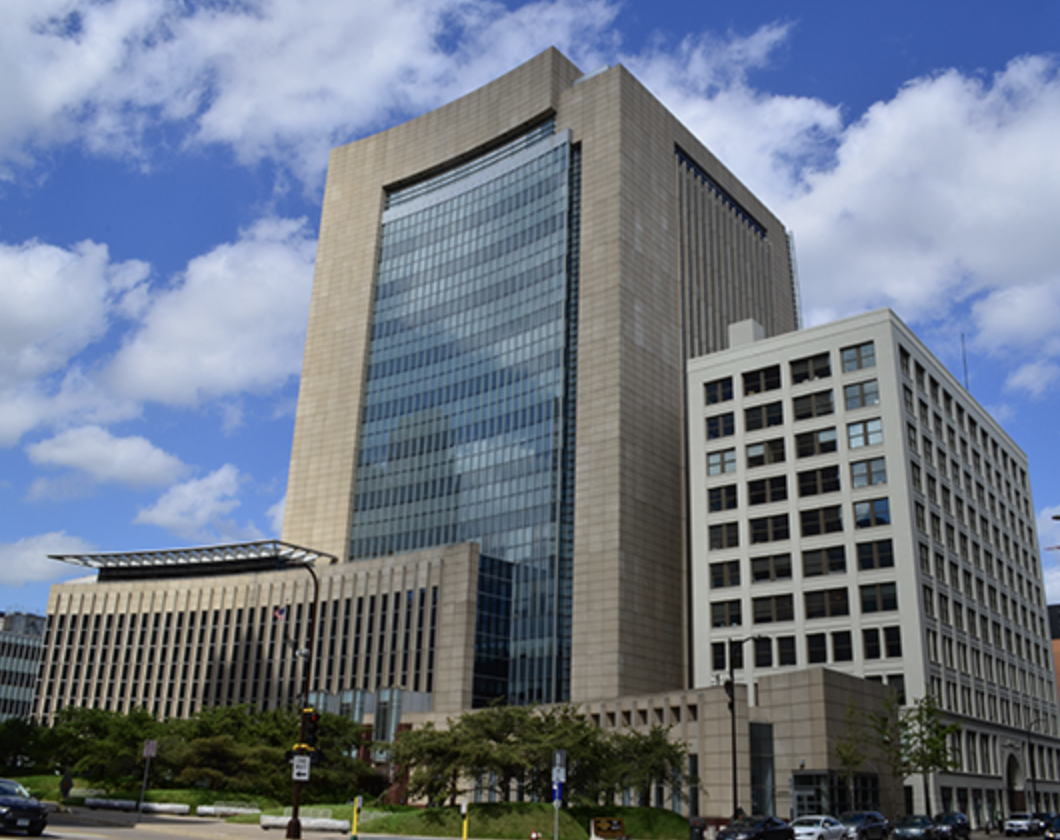 On Feb. 10, Law Dork, represented by Public Justice, filed a motion to intervene seeking to improve public access in U.H.A. v. Bondi, a District of Minnesota case regarding the warrantless mass detention of refugees.
Because the case is an immigration habeas action, the public cannot access the parties’ filings unless they physically go to the courthouse. Law Dork’s motion seeks to change this by making the electronic docket available to the public, as well as requesting a public access line for listening to live court proceedings.
Finally, the motion requests that the court not permanently seal documents relating to ICE’s detention policies that it ordered the government to file.
Law Dork’s Chris Geidner and senior Public Justice attorney Charles Moore cite profound public interest surrounding the ongoing situation in Minnesota plus the administration’s recent defiance of court orders and “trampling” of individual rights as primary justifications behind the motion.
The 11-page supporting memorandum begins with Chief Judge Schiltz’s statement in another case that ICE has violated more court orders in Jan. 2026 alone “than some federal agencies have violated in their entire existence.” Now, more than ever, amid some of the most aggressive immigration enforcement in the country’s history, public access is critical.
Fix the Court supports Law Dork’s motion to intervene.
In fact, we worked with Public Justice on one in the Abrego Garcia case in the District of Maryland.
More robust public access to court proceedings is needed to determine whether the government is complying with orders for relief during these consequential times.
FTC’s Gabe Roth has also been in contact with D. Minnesota on access issues, and we will report back with any progress on this front.