Congress Can Take Back Some of the Power the Supreme Court Has Arrogated to Itself. Should It?
By Emma Donahue, FTC law clerk
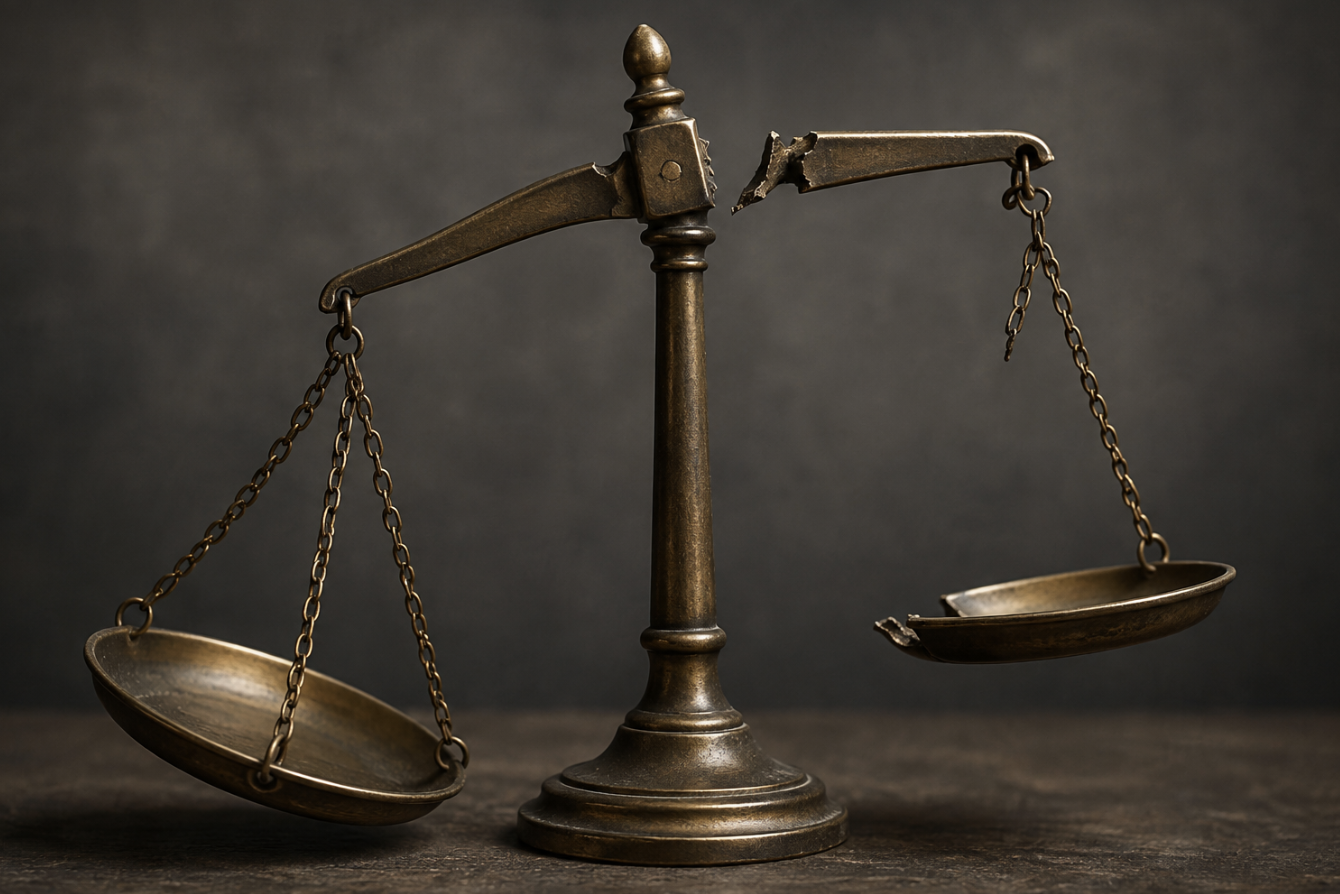 The idea of “jurisdiction stripping” has been gaining traction with Court reformers in recent years.
The short pitch is that if SCOTUS continues to arrogate more and more power to itself, and/or it continues to resist reform efforts, the legislative branch should strip its ability to hear certain types of disputes.
For example, Congress could pass a comprehensive court reform package that includes a provision precluding SCOTUS from hearing any constitutional challenges to the law.
Instead, these challenges would be heard by lower federal courts or be funneled to a designated court of appeals like the D.C. Circuit (the latter is sometimes called “jurisdiction channeling”).
Fix the Court hasn’t taken a position on whether or how to strip jurisdiction, but the general idea that SCOTUS has too much power is part of the FTC ethos, and now is a good time to examine arguments for and against.
For more in-depth research on jurisdiction stripping, click here.
For a list of the three dozen bills introduced since 2021 that include a jurisdiction-stripping measure, click here.
To read a law review article by University of Colorado Law Prof Laura Dolbow that’s even more comprehensive, click here.
Congress has stripped jurisdiction before. The final report of the Biden Supreme Court Commission details the history of jurisdiction stripping and its potential use for court reform efforts. Since the 1950s, Congress has introduced legislation that would strip SCOTUS and/or lower federal courts of jurisdiction to resolve questions relating to hot-button political issues (national security, busing, abortion, same-sex marriage).
In June 2023, Section 324 of the Fiscal Responsibility Act of 2023, titled “Expediting Completion of the Mountain Valley Pipeline,” was enacted. Sen. Manchin was the driving force behind the inclusion of this language, which states that no court has jurisdiction to review actions by federal agencies authorizing the construction and operation of the pipeline. However, it gives exclusive jurisdiction to the D.C. Circuit over any challenge to the constitutionality of Section 324.
In Aug. 2024, Sen. Schumer introduced the No Kings Act, which declares that no president is immune from the criminal laws of the United States. It would strip jurisdiction from SCOTUS of its ability to declare the Act unconstitutional. Any criminal actions against a president would be left in the hands of the lower federal courts, which would be required to adopt a presumption that the No Kings Act is constitutional. Harvard Law Prof. Niko Bowie wrote an article in support of the Act’s constitutionality.
Uncertainty remains about the broadness of Congress’s jurisdictions-stripping power. SCOTUS has regularly upheld laws precluding judicial review of certain types of agency actions, but it has interpreted other statutes in a way that permits review of significant constitutional questions. Congress’s jurisdiction-stripping power is not unlimited, especially if the law to which it attaches inherently violates another aspect of the Constitution.
It is therefore unclear whether the Court would uphold a provision that strips its power to review the constitutionality of court reform legislation.
However, in Patchak v. Zinke (2018), a four-justice plurality (Justices Thomas, Breyer, Alito and Kagan) appeared to recognize Congress has plenary authority to regulate the jurisdiction of lower federal courts and appellate jurisdiction of SCOTUS.
This could be a positive sign for those pushing jurisdiction stripping legislation as a viable option.