Justice Alito's Recusal in Coastal Damage Case: A Good (Albeit Belated) Call
By Cortez Collins, FTC law clerk
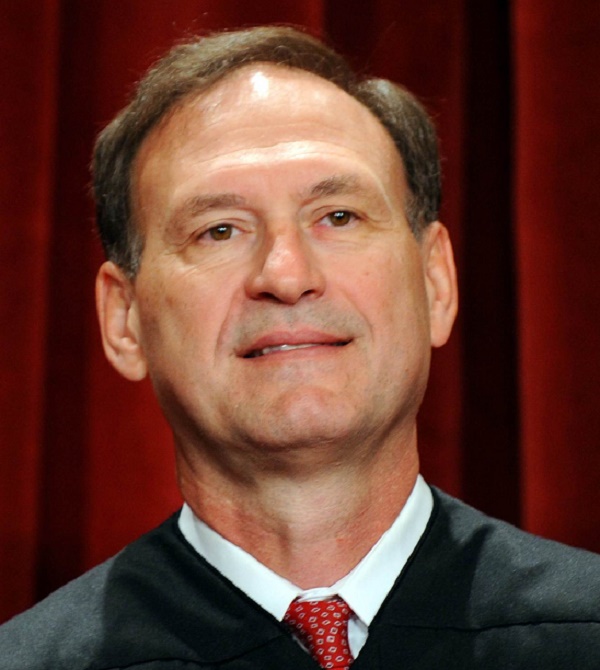 On Jan. 8, four days before oral argument in 24-813, Chevron USA Incorporated, et al., v. Plaquemines Parish, Louisiana, et al., Scott Harris, the clerk of the Supreme Court, sent a letter to the parties notifying them the Justice Alito was now recused.
We ask and answer some questions on this below:
1. Why did it take so long for Justice Alito to recuse?
Alito initially declined to recuse because Burlington Resources (a ConocoPhillips subsidiary) formally withdrew from the Supreme Court petition in May — i.e., about a month before cert. was voted on and granted — leading him to believe neither Burlington nor its parent company had any further involvement.
Later briefing clarified that Burlington remained a party in the underlying (district court) litigation, meaning Alito still had a financial conflict due to his ConocoPhillips stock.
Once that became clear, he recused.
2. Was he right to recuse?
Yes. Once it was established that a subsidiary of a company in which he held stock remained involved, recusal was required under federal law and judicial ethics standards, which mandate disqualification when a justice has a financial interest in a party.
The delay raises some ethics concerns — e.g., should Burlington’s apparent gamesmanship be allowed to stand, and why does Alito refuse to sell his stocks — but the ultimate decision to recuse was correct.
3. What are the potential impacts of his recusal on the case?
Alito’s recusal leaves the Court with eight justices, increasing the possibility of a 4–4 split, which would affirm the lower court ruling without creating national precedent.
This limits the Court’s ability to provide definitive guidance on whether oil company coastal damage cases belong in federal or state court, potentially leaving similar cases unresolved nationwide.