SCOTUS Punts on an Ethics Issue Present in the Monsanto Roundup Case
By Emma Donahue, FTC law clerk
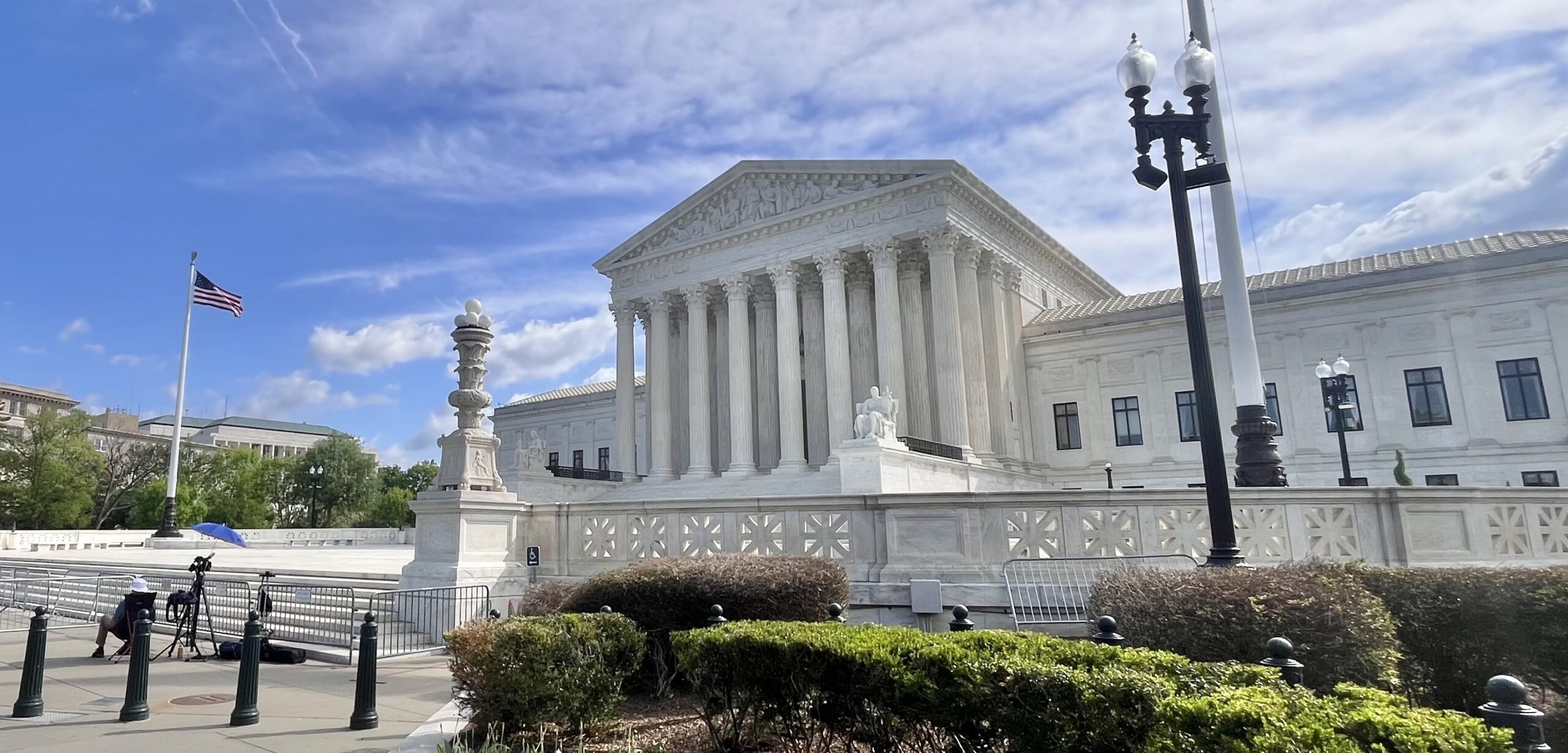 On Apr. 27, SCOTUS heard arguments in Monsanto Co. v. Durnell, a case about whether FIFRA preempts state label-based failure-to-warn cases when the EPA has not required a warning.
Monsanto is currently facing billions in exposure for the potential carcinogenic side-effects associated with long term exposure to the chemical glyphosate found in its Roundup pesticides.
The EPA previously concluded that glyphosate is not carcinogenic, and therefore Roundup products do not require a warning label to this effect. However, in 2015 the International Agency for Research on Cancer classified glyphosate as “probably carcinogenic” to humans.
This break from the EPA’s stance opened up Monsanto to a slew of failure-to-warn cases, and SCOTUS now has the final word on the preemption issue.
Absent from the merits and amicus briefs and the oral argument transcript was any discussion of Monsanto’s controversial history of “paying for precedent” in a similar preemption case via a “high-low” deal with the plaintiff.
FTC previously wrote about Monsanto’s “high-low” deal in Carson v. Monsanto Co., which originated in S.D. Georgia and was appealed to the 11th Circuit. Carson is both factually and legally similar to Durnell: the plaintiff sued Monsanto for failure-to-warn after developing cancer following decades of using Roundup, and Monsanto argued that FIFRA preempts some of his claims under Georgia law given the EPA’s prior approval of a label sans cancer warning.
Monsanto controversially paid Carson to appeal his preemption claim that was rejected by the district court, likely seeking a circuit split to buffer unfavorable precedent in another circuit. As part of the deal, Carson dropped several of his other “potentially valuable” claims. Monsanto also promised him a higher payout if he won on appeal.
The majority, concurring and minority opinions all address this “high-low” deal, with various concerns (or lack thereof) about how it affected the cases’s justiciability. The majority saw no issue with the deal, stating that the deal was not collusive because Carson and Monsanto both still had an interest in winning on appeal.
The concurring opinion agreed that the appeal was justiciable because the deal did not resolve the parties’ genuine legal dispute about the preemption issue but called it “peculiar” and acknowledged the minority’s concern. It noted that the deal “forces” Carson to appeal the preemption ruling in order for Monsanto to pursue a circuit split on the preemption issue but pointed out that institutional litigants sometimes engage in strategic conduct like this to “tee up” test cases on novel questions of law.
Judge Wilson’s minority opinion was highly skeptical about the deal, which he claimed “abuses this court’s process,” saying the appeal should be dismissed for non-justiciability as a result. He argued the deal “usurped Carson’s role as master of his own appeal and placed the course of this litigation ‘under the domination of’ Monsanto,” which deprived it of the adversarial character of litigation.
Wilson also pointed out that this “high-low” deal is distinguishable from the type of arrangements permitted by SCOTUS in Havens Realty Corp. v. Coleman and Nixon v. Fitzgerald in 1982.
While this type of deal was not at issue in Durnell, FTC is keeping an eye on what we see as a manipulation of the justice system by deep-pocketed litigants like Monsanto.