View From the Lower Court Courtroom: Hegseth v. Kelly in D. D.C.
By Cortez Collins, FTC law clerk
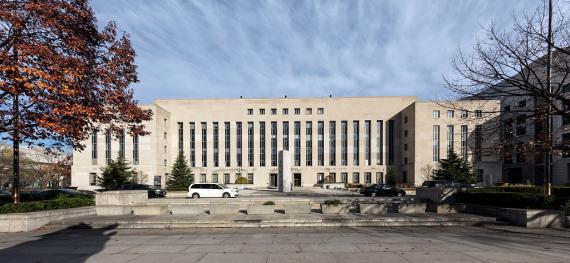 Tuesday’s hearing in Kelly v. Hegseth unfolded in a courtroom marked by an overwhelming media presence and a notably serious tone, reflecting the constitutional and institutional stakes at issue.
The atmosphere that afternoon in the D.C. District Court underscored that the dispute extended well beyond the individual parties, implicating broader questions about speech, military discipline and the limits of executive authority.
Counsel for Sen. Mark Kelly, Benjamin Mizer, focused his remarks heavily on irreparable harm under the First Amendment, arguing that the government’s threatened actions — most notably the potential revocation of Kelly’s military pension — constituted an extraordinary and unprecedented penalty.
According to Mizer, such a sanction is not a standard form of punishment under the Uniform Code of Military Justice and represents a punitive response untethered from traditional military discipline. He emphasized that the threatened punishment functioned less as regulation and more as retaliation for protected speech.
Counsel for Secretary Hegseth, Justice Department attorney John Bailey, appeared to justify the proposed sanctions by characterizing Kelly’s public videos and statements as harmful to military cohesion, loyalty to the service and public safety. The government framed its position as a necessary effort to preserve discipline and trust within the armed forces.
From a constitutional standpoint, however, the First Amendment places meaningful limits on the government’s ability to punish speech. Restrictions that threaten to chill expression must be supported by a legitimate governmental interest and are subject to heightened scrutiny, particularly where the penalties imposed are severe.
Established First Amendment doctrine makes clear that speech cannot be suppressed simply because it is critical of the government or uncomfortable for those in authority. The prospect of disproportionate punishment for expressive conduct raises serious concerns about chilling effects, especially where the sanctions appear to depart from established military justice norms.
From my perspective, the DOJ’s argument wasn’t as persuasive as that of Kelly’s counsel.
Judge Richard Leon appeared skeptical of the DOJ, as well, but acknowledged the likelihood that the losing party would appeal, noting that whatever he decides, whether at this preliminary stage or later on the merits, this case has a long way to go.