State Courts in Focus: How Montana Lawmakers Are Using the Courts When Democracy Doesn’t Go in Their Favor
By Cortez Collins, FTC law clerk
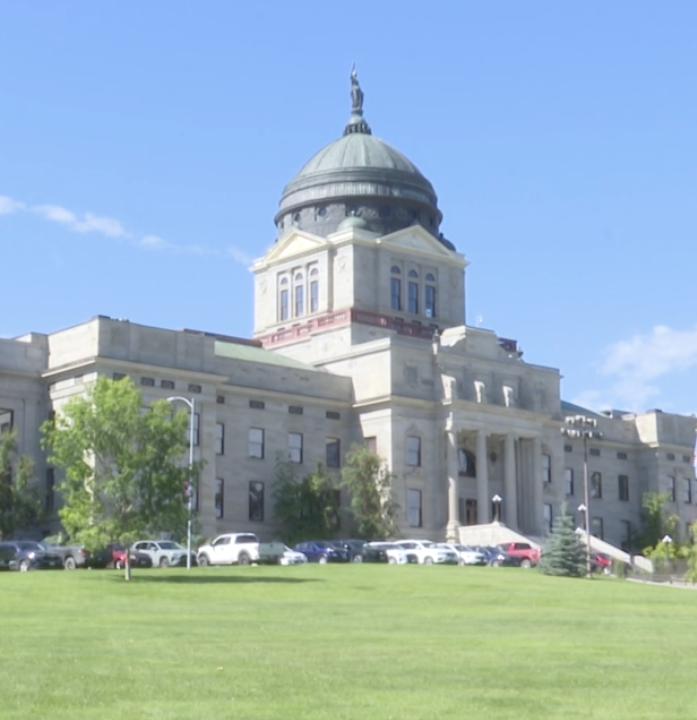 Fix the Court primarily focuses on oversight of the federal courts, but every now and then something happens in the states that’s worth bringing up here.
Montana is currently experiencing a profound struggle over the future of judicial independence, one rooted in the belief among certain lawmakers that courts should not stand as a barrier to their political goals.
Over the past several years, these legislators have grown increasingly frustrated as Montana’s judiciary has struck down various laws involving elections, reproductive rights and civil liberties. Rather than returning to the legislative process to adjust or defend their ideas, they have shifted toward a more aggressive strategy: transforming the courts themselves. This approach is not unique to Montana, but the state has become a clear example of how movements attempt to capture the judiciary when democratic processesdo not yield the outcomes they want.
In general, we believe that persuading voters or compromising some is a better tack. Instead, lawmakers in Big Sky Country have set out to reshape the judicial branch so they can protect extreme laws that might not survive the normal checks and balances of the democratic system.
Montana Republicans have pursued a multi-pronged strategy to weaken judicial independence and assert greater political control over the state’s courts.
First, lawmakers moved to restructure the Judicial Standards Commission, shifting appointment power away from judges and the bar and toward partisan actors, thereby increasing legislative influence over judicial discipline and oversight. Second, officials repeatedly filed ethics complaints against sitting Montana Supreme Court justices, often recycling the same allegations after prior dismissals as a means of intimidation and public delegitimization rather than legitimate accountability. Third, legislators introduced more than two dozen bills aimed at altering judicial review, including proposals to make judicial elections partisan, restrict courts from invalidating certain statutes and limit the judiciary’s authority over election and constitutional matters.
Attempts like these to restructure judicial oversight bodies, influence judicial selection and constrain how judges review legislation are not simply administrative reforms; they are efforts to pre-determine legal results.
By weakening traditional safeguards and increasing partisan leverage over the judiciary, these lawmakers hope to create a court that will reliably uphold their agenda, even when it conflicts with constitutional protections or public sentiment.
The consequences of such a transformation are significant.
A judiciary captured by partisan interests loses its ability to function as an independent check on governmental excess. The public’s trust in fair, neutral adjudication erodes. And the balance of power (central to both Montana’s constitutional framework and the American system more broadly) tilts toward whichever faction can assert control over judicial appointments.
Ultimately, Montana’s conflict underscores a broader national question: will courts remain institutions grounded in independence and the rule of law, or will they become extensions of partisan ambition?
The answer will shape not only Montana’s legal environment but the integrity of democratic governance itself.